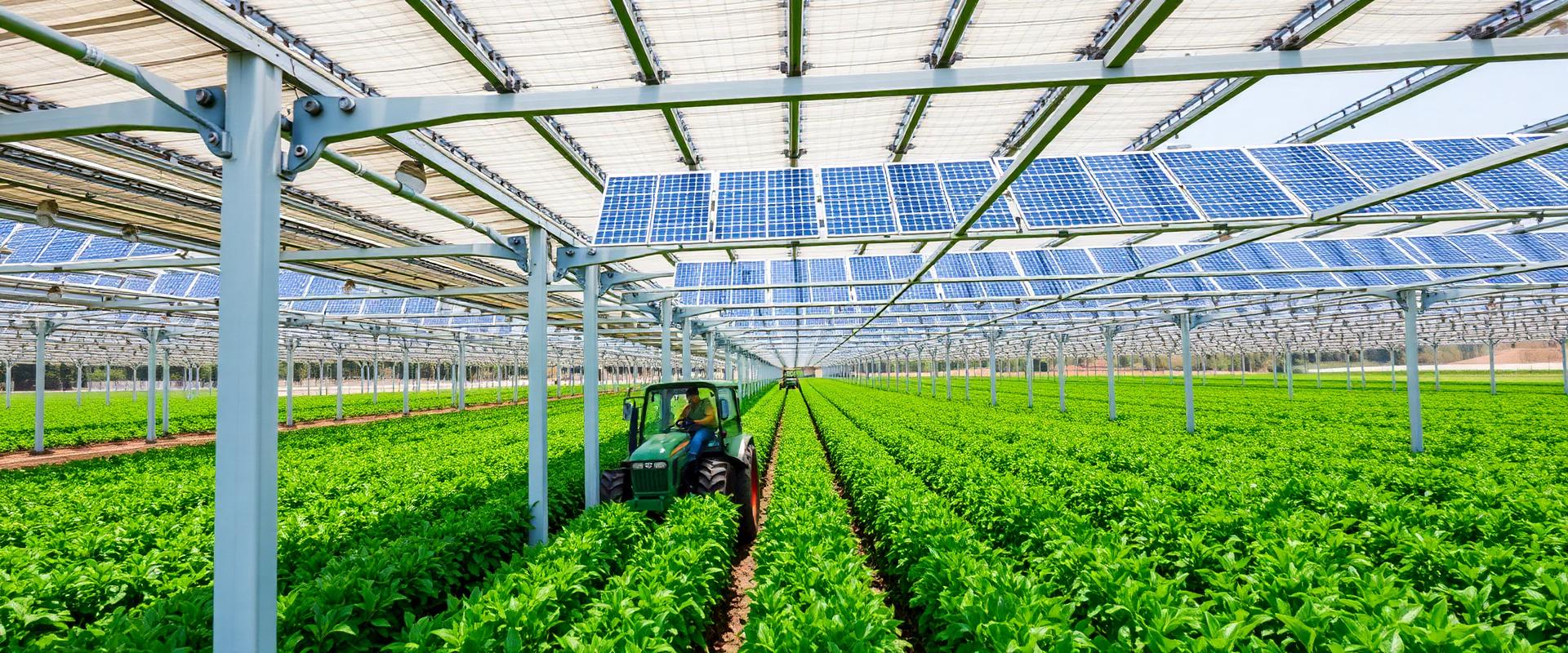
Site & Land Assessment
Consider terrain, soil, drainage, existing agricultural activity, solar exposure, access, and applicable site constraints.
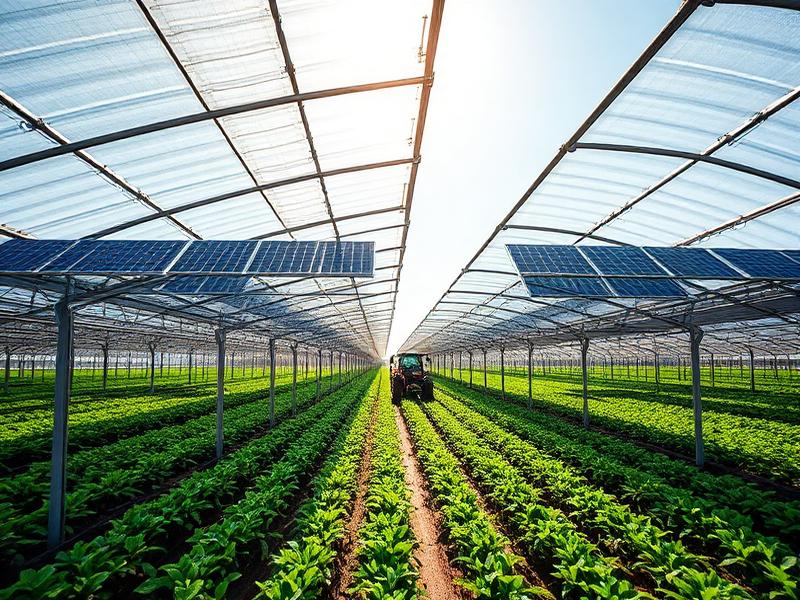
Explore approaches for combining solar generation with suitable agricultural activities on the same land.
Agrivoltaics, also called agricultural photovoltaics or Agri-PV, involves planning solar energy systems so that appropriate agricultural activities may continue on the same site. Depending on the land and design, this can include crop cultivation, grazing, pollinator habitats, or other compatible uses.
The objective is to assess whether energy generation and agricultural activity can coexist under the specific site conditions—not to assume that every parcel or crop is suitable.
Consider terrain, soil, drainage, existing agricultural activity, solar exposure, access, and applicable site constraints.
Review panel height, row spacing, mounting arrangements, equipment access, and clearances needed for the intended operations.
Assess light requirements, shade tolerance, machinery access, animal management, and other factors relevant to the chosen land use.
Consider generation needs, grid connection, storage, maintenance access, agricultural workflows, and monitoring requirements.
Agrivoltaic feasibility varies with crop, climate, structure, land use, electrical design, and management. No particular improvement in crop yield, water retention, or profitability should be assumed without evidence relevant to the proposed project. Technical design, engineering, installation, and other specialist services must be separately confirmed and agreed.
Share your location, land-use objectives, agricultural activities, approximate project size, and energy requirements to discuss whether further assessment may be appropriate.
Discuss an Agrivoltaic Enquiry